Gardening Services in Bermondsey

Gardening Services Bermondsey provides practical garden care for homes and shared outdoor spaces in Bermondsey, with work shaped around tidy presentation, healthy planting and manageable upkeep. Our service covers routine maintenance, hedge trimming, lawn mowing, garden clearance and landscaping support, so you can choose the right level of help for the condition and size of your space. If you want a one-off visit or a planned schedule, we can keep the work focused and straightforward.
We work across the most common tasks that keep a garden usable through the year. That can mean cutting back overgrown growth, removing waste from a clearance, refreshing tired borders or helping to establish a cleaner layout. Clear, well-timed maintenance is often the difference between a garden that is easy to enjoy and one that becomes difficult to manage, so we aim to make each visit purposeful. Small details matter as much as larger changes.
For a quotation, it helps to know what type of outdoor space you have, what work is needed and whether the job is a regular visit or a single project. You do not need to prepare anything complicated; a brief description is usually enough to begin. Please get in touch to discuss the work you need and request a quote.
Routine Garden Maintenance and Lawn Care
Regular garden maintenance is the foundation of a neat and usable outdoor space. It typically includes seasonal tidying, pruning light growth, keeping beds under control and making sure pathways and edges do not become neglected. This kind of work is useful when a garden is already healthy but needs attention to stay that way. It also suits properties where you want the planting to remain orderly without committing to major changes.
Our lawn mowing and maintenance work focuses on an even finish and sensible upkeep rather than cosmetic overstatement. A lawn may need cutting, edging, and basic care to prevent it from becoming patchy or uneven. When the grass is managed alongside the surrounding borders, the whole garden tends to look more balanced. If you are comparing options, think about whether the lawn simply needs regular attention or whether it also needs recovery work after being left too long.
What a maintenance visit can include
Depending on the condition of the garden, a maintenance visit may include:
- lawn mowing and edging
- removal of light weeds and clutter
- simple border tidy-ups
- cutting back soft growth
- clearing small amounts of garden waste
Hedge Trimming and Boundary Shaping
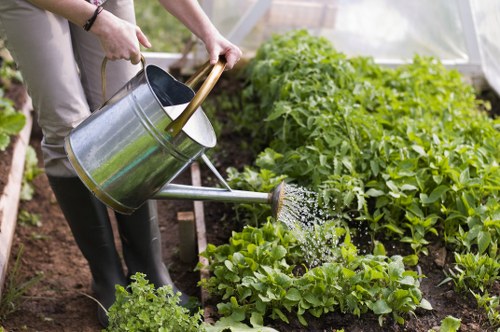
Hedge trimming is useful when hedges are starting to lose their shape, block light or encroach on paths and boundaries. A good trim is not only about appearance; it also helps keep growth under control and supports a more deliberate outline. We can work on hedges that need routine shaping as well as those that have grown beyond their usual line and need a careful reduction.
When hedge work is approached properly, the result should suit both the plant and the setting. Some hedges only need a light, frequent trim, while others require more attention to reduce thickness or restore symmetry. Our aim is to keep the finish clean and even, with attention to the final line and the surrounding space. That matters in gardens where the hedge forms a strong part of the overall view.
If you are arranging hedge work alongside other garden tasks, it often makes sense to combine it with general maintenance. That can reduce disruption and make the garden feel finished in one visit. A clear description of the hedge height, thickness and access points is helpful when asking for a quote, especially if the work involves awkward corners or long boundary runs.
Garden Clearance for Overgrown or Tired Spaces
Garden clearance is the right choice when a space has become cluttered, overgrown or difficult to use. It can involve cutting back excessive growth, removing unwanted vegetation, lifting accumulations of debris and making the area ready for a new phase of use. This is often the first practical step before maintenance or landscaping work can begin. It helps turn a difficult garden into one that can be assessed properly.
Some clearances are mostly about tidying and removing waste, while others need a more thorough reset. We can handle gardens where brambles, fallen material or unmanaged planting have taken over part of the space. In those cases, it is usually best to work in a sensible order: open up access, remove the worst growth, then deal with the smaller details. That approach keeps the job controlled and the finish more useful.
For quotation purposes, it is helpful to know whether the clearance is light, moderate or substantial. If there are items to move, dense planting to cut back or restricted access through the property, those details can shape the plan. Please see pricing and quotes for a simple starting point, then use the contact route at the end of this page to ask for a tailored quotation.
Landscaping and Practical Garden Improvements
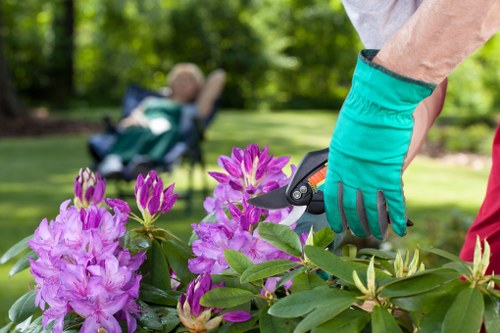
Landscaping work is useful when you want more than routine tidying and need the garden to function differently. It can involve reshaping parts of the space, introducing new planting areas or improving the overall arrangement so that paths, borders and lawn sections sit together more naturally. The work may be modest or more involved, depending on the site and the desired result. It is often chosen when a garden needs structure as well as upkeep.
We also provide landscape gardening support where the aim is to refine the layout rather than simply clear or cut back growth. That may include making a neglected area more ordered, adjusting the balance between hard and soft surfaces, or preparing ground for new features. The right approach depends on what the garden already contains and how you want it to be used. A practical plan usually matters more than a dramatic one.
When considering this type of work, it is useful to think about the parts of the garden that are working and the parts that are not. A good landscaping brief normally explains whether the priority is appearance, access, easier maintenance or a more usable outdoor area. Read more about landscape gardening if you want to understand how broader improvements can be planned around the garden you already have.
From Small Tidy-Ups to Broader Outdoor Projects
Not every garden needs a full redesign. In many cases, the best result comes from a sequence of smaller, well-chosen tasks that make the space manageable again. That might mean mowing first, trimming hedges next and then clearing away growth that has hidden the structure of the garden. A sensible order saves time and helps the work feel coherent rather than piecemeal.
More detailed projects can follow once the garden is back under control. For example, clearing, levelling and replanting may be enough to refresh a space without changing its entire character. Where timber features are needed, decking services may be relevant as part of a wider outdoor update. The important point is to match the scope of the work to the space rather than forcing a one-size-fits-all answer.
If you are uncertain where to begin, describe what you can see now and what outcome would be most useful. That helps us decide whether the work should focus on cleanup, shaping, planting support or a combination of tasks. A straightforward enquiry is usually enough to start that process, and we can then suggest the most practical next step.
About Bermondsey
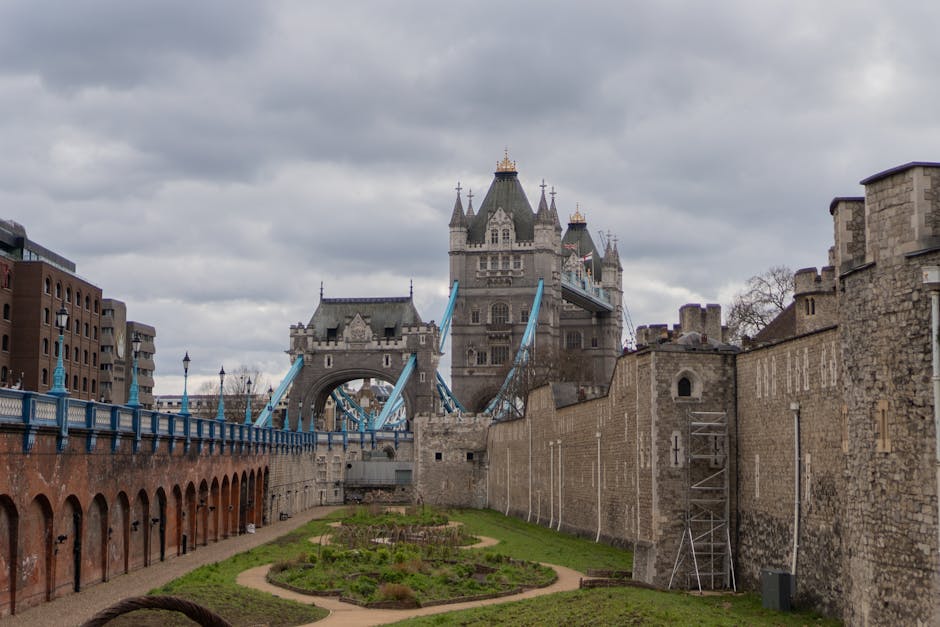
Bermondsey is a district in the London Borough of Southwark, in inner south-east London, with a long history shaped by the River Thames, industry and later regeneration. The area lies south of the river between central London and the wider Rotherhithe and Southwark districts, and its character has changed significantly over time. Bermondsey Abbey once stood as a major medieval religious house, and although the abbey no longer survives, its historical presence remains central to the area’s story. In later centuries Bermondsey became strongly associated with riverside trade, warehousing and manufacturing, especially along the Thames and the railway corridors that supported local commerce. Many streets retain traces of that industrial past through converted buildings, older terraces and mixed-use developments that sit alongside newer housing.
Keeping Outdoor Areas Tidy Through the Seasons

Seasonal change affects how quickly gardens grow and how much attention they need. In spring and summer, lawns, hedges and borders tend to need more frequent care, while autumn often brings leaf fall and the need to clear debris before it builds up. Winter may be quieter, but it still suits pruning, tidying and preparing the garden for stronger growth later. Regular attention is usually easier than allowing several small tasks to become one larger job.
Our approach is practical: assess what is needed, complete the tasks in a clear order and leave the space easier to manage afterwards. That can include cutting, clearing and shaping work, but it can also mean deciding what should not be done too heavily at once. Plants and lawns often respond better to moderate, well-timed care than to rushed intervention. If you want to keep the garden looking presentable across the year, consistency is generally more effective than occasional major effort.
For regular upkeep, it is often helpful to note whether the garden has simple access, whether any areas are difficult to reach and whether waste removal is needed after the work. Those practical details help shape the quotation and make the visit more efficient. You can use the contact page when you are ready to discuss a schedule or a one-off job.
Planning the Right Level of Work
Choosing the right level of garden work starts with understanding what the site needs right now. Some spaces need a light tidy, some need repeated maintenance and some need a more serious clearance before they can be used properly. The best result usually comes from matching the task to the condition of the garden rather than trying to fit every property into the same routine. That is especially true where the garden has been left for a while.
There are also decisions to make about timing and priority. For example, a front garden may need sharper presentation, while a rear garden may benefit more from basic ease of use. If the space includes both lawn and hedges, it may be better to handle them together so the overall finish looks intentional. See the services overview for a broader look at the main types of work available through our gardening service.
If you already know what you want done, include as much practical detail as possible when requesting a quotation. If you are unsure, a short description of the current condition is still useful. We can then suggest whether the job is best treated as maintenance, clearance or a more considered landscaping task. Please ask for a quotation when you are ready.
Useful Details Before You Request a Quote
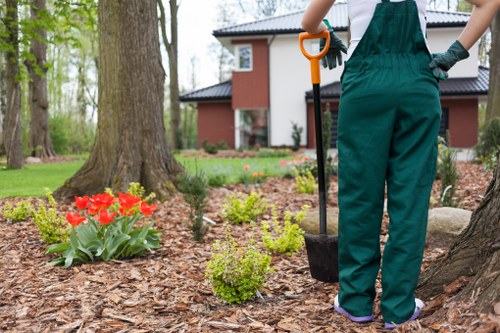
Before asking for a quote, it helps to gather a few simple details about the garden. A note of the main tasks, the approximate size of the space and any awkward access points makes it easier to understand the work properly. You do not need a formal plan; a few clear sentences are usually enough. If the garden includes hedges, lawns, beds or overgrown areas, mention which parts need attention first.
It is also sensible to think about how the work should be grouped. Some customers want one visit to reset the garden, while others want ongoing maintenance at a steady interval. If waste removal is likely to be needed, or if the job includes both cutting back and shaping, those points should be included in the enquiry. That helps us provide a quotation that reflects the actual task rather than a rough guess.
For a straightforward starting point, contact us to request a quotation. If you would like to compare background details before you enquire, find out more about us and the way we present our garden work. Either way, please get in touch when you are ready to discuss the job in more detail.