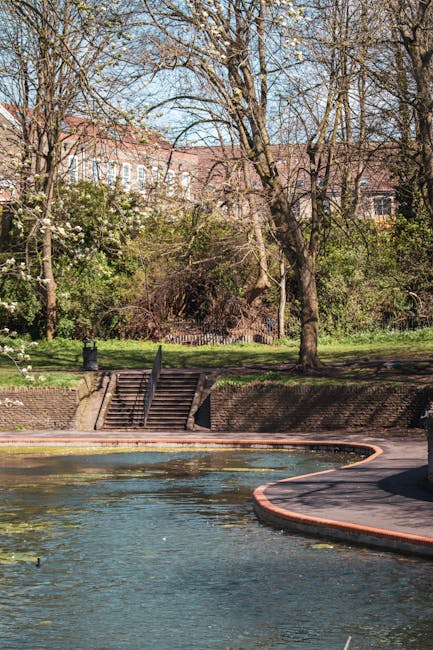
SE16 gardeners Bermondsey Spa Gardens pruning and tidy service
If your garden has started to feel a bit unruly, you are not alone. A few fast-growing shrubs, some tired-looking borders, and a lawn edge that has gone vague can make even a small outdoor space feel harder to enjoy. That is where a SE16 gardeners Bermondsey Spa Gardens pruning and tidy service earns its keep: it brings shape back, removes clutter, and gives your garden a proper reset without turning it into a harsh, over-cut version of itself.
In a place like Bermondsey Spa Gardens, where outdoor space is often shared, compact, or visually connected to neighbouring homes, a neat finish matters. Good pruning is not just about chopping things back. It is about timing, plant health, airflow, light, and keeping the whole garden looking cared for. This guide explains how the service works, who it suits, what to expect, and how to judge whether a job has been done well. Simple enough on the surface. A bit more nuanced in practice, as any gardener will tell you.
For readers who want to compare services across the site, you can also look at the broader garden services overview, or check pricing and quotes if you are already thinking about booking. If you want to know who is behind the work, the about us page gives useful background.
Table of Contents
- Why SE16 gardeners Bermondsey Spa Gardens pruning and tidy service Matters
- How SE16 gardeners Bermondsey Spa Gardens pruning and tidy service Works
- Key Benefits and Practical Advantages
- Who This Is For and When It Makes Sense
- Step-by-Step Guidance
- Expert Tips for Better Results
- Common Mistakes to Avoid
- Tools, Resources and Recommendations
- Law, Compliance, Standards, or Best Practice
- Options, Methods, or Comparison Table
- Case Study or Real-World Example
- Practical Checklist
- Conclusion
- Frequently Asked Questions
Why SE16 gardeners Bermondsey Spa Gardens pruning and tidy service Matters
Pruning and tidying sound straightforward, but the real value is bigger than a quick visual clean-up. In a local garden, plants grow at different speeds, weather changes the shape of everything, and one season of neglect can quickly snowball into a bigger job. A proper pruning and tidy service helps keep that from happening.
The most obvious reason is appearance. A well-trimmed shrub line, clear path edge, and freshly cleared border make a garden look intentional again. But the practical reason is often more important. Pruning removes weak, damaged, crossing, or overcrowded growth, which can help plants breathe, take in more light, and stay healthier through the year.
There is also the safety side. Overhanging branches, brittle stems, and hidden debris can cause little headaches that become bigger ones later. Fallen twigs, slippery leaf piles, or low growth near access routes can get in the way. Not dramatic, but annoying in that very London way.
For landlords, residents, and small property managers around SE16, tidiness is often about presentation as much as plant care. If a front garden looks tired, the whole property can feel less welcoming. For shared spaces, the stakes are even higher because one untidy corner can make the entire area feel neglected.
Expert summary: Good pruning is selective, not aggressive. Good tidying is thorough, not cosmetic only. The best result is a garden that looks calmer, grows better, and is easier to maintain next time.
That balance matters. Too little work leaves you with the same mess in a month. Too much can stress plants and strip away their shape. The point is to restore order without making the garden look butchered. Truth be told, that is where experience shows.
How SE16 gardeners Bermondsey Spa Gardens pruning and tidy service Works
A pruning and tidy service usually starts with a walk-through. The gardener looks at what is growing, what needs cutting back, what should be left alone, and what material needs removing. Good judgment is the whole game here. The same plant can need a light trim in one season and a more measured reduction in another.
Then comes the actual work. Depending on the state of the garden, that may include:
- deadheading spent flowers
- removing dead, damaged, or diseased growth
- cutting back long or leggy stems
- reshaping shrubs and hedges
- lifting lower growth for clearer access
- clearing leaves, cuttings, and general debris
- weeding around borders and hard-to-reach edges
- neatening lawn margins and path edges
Some jobs are light and quick. Others are more involved, especially where plants have been left for a while or where access is awkward. In compact Bermondsey gardens, that often means moving carefully around fences, shared boundaries, and narrow side returns. You want tidy, not trampled.
After the cutting and clearing, a responsible gardener will usually do a final sort-through. That means checking for missed bits, gathering waste properly, and making sure the space looks finished rather than just "worked on." A service that ends with a clean sweep is usually the one people remember favourably.
If the job involves larger clearances or seasonal garden work, it can be useful to read the site's health and safety policy and insurance and safety information. That may sound a bit formal, but it gives peace of mind when tools, ladders, and waste removal are part of the day.
Key Benefits and Practical Advantages
A good pruning and tidy service delivers benefits that are easy to spot and some that only show up a few weeks later. The visible changes come first. The longer-term improvements are where the real value sits.
1. Better garden appearance
This is the one most people notice immediately. Borders look sharper, shrubs stop spilling over paths, and the whole place feels lighter. A tidy garden also makes small spaces feel bigger, which matters a lot in SE16 where every square metre counts.
2. Healthier plant growth
Selective pruning can reduce overcrowding and improve airflow. That helps certain plants recover from stress and gives new growth room to develop. It is not magic, and it does depend on the plant, but you can often see the difference in the weeks after a well-done visit.
3. Easier maintenance later
Regular tidying prevents a mild mess from becoming a half-day rescue mission. If you keep on top of it, future visits are usually quicker and more cost-effective. Let's face it, no one enjoys paying for a jungle recovery when a little maintenance would have done the trick.
4. Safer access and better usability
Clearing overgrowth from walkways, steps, and tight corners reduces trip hazards and makes the garden easier to use. That is especially useful for families, older residents, and anyone who wants a clean route to bins, sheds, or rear access.
5. Better light and a fresher feel
It sounds minor, but cutting back dense growth can noticeably brighten a garden. More daylight, less shadow, and a little more air movement can change how the space feels on a wet Monday morning or a bright spring afternoon.
| Benefit | Immediate effect | Longer-term effect |
|---|---|---|
| Pruning shrubs | Tidier shape | Better structure and healthier regrowth |
| Garden tidy-up | Cleaner appearance | Less build-up of debris and weeds |
| Border edging | Sharper lines | Easier routine maintenance |
| Debris removal | Clearer surfaces | Lower slip and trip risk |
There is a nice practical side to all this: a garden that looks looked-after tends to stay looked-after. Small wins stack up.
Who This Is For and When It Makes Sense
This kind of service suits more people than you might think. It is not only for neglected gardens or big suburban plots. In Bermondsey Spa Gardens and the surrounding SE16 area, it often makes the most sense for homes and properties where the garden needs a refresh rather than a full redesign.
You may benefit from a pruning and tidy service if you are:
- a homeowner wanting the garden back into shape after a busy season
- a tenant or landlord preparing a garden for inspection or move-in
- someone hosting guests and wanting the outdoor space to look decent, quickly
- a property manager keeping a shared area tidy and presentable
- a resident who can manage light maintenance but needs help with the heavier or messier parts
It also makes sense after periods of bad weather, holiday absence, or simply a stretch of time when the garden got away from you. The classic story is this: "It was fine in May, then we had a few weeks of rain, and suddenly it looked like it had a personality of its own." Happens all the time.
If you are unsure whether you need pruning, a general tidy, or something broader, looking at the services overview is usually the best next step. It helps you separate a light maintenance visit from a more involved garden recovery.
Step-by-Step Guidance
If you want to understand how a professional garden tidy is carried out, it helps to think in stages. That makes it easier to judge the quality of the work and to prepare your garden before the visit.
- Assess the space. The gardener identifies what needs pruning, what can be tidied, and what should be left alone.
- Agree priorities. If time or budget is limited, the biggest wins are usually tackled first: access, shape, safety, then finer details.
- Carry out pruning. Overgrown, dead, damaged, or awkward growth is cut back with the right tool for the job.
- Clear debris. Cuttings, leaves, and loose waste are gathered, bagged, or removed in line with the arrangement.
- Detail the borders and edges. This is where the garden starts looking finished rather than merely cut back.
- Final review. The space is checked from different angles. Good gardeners do this instinctively. A fresh eye catches the odd missed stem or untidy corner.
In practice, the best results come when the gardener works from the whole garden down to the details. That means fixing the shape first, then cleaning up the little bits that make the space look polished.
If you are booking for the first time, it helps to be clear about what you want. For example: "Please focus on the front border, the back shrubs, and a general tidy of the patio edge." That kind of direction saves everyone time. It also avoids that awkward moment where you realise you meant one shrub, and they thought you meant the lot.
Expert Tips for Better Results
A tidy garden is good. A tidy garden that stays tidy is better. These small habits make a big difference between visits.
- Prune with purpose, not habit. Cutting because something looks long is not always the right move. Shape, plant type, and season matter.
- Keep an eye on the edges. Borders, paths, and fence lines are often what make a garden look cared for, even when the main planting is simple.
- Work with the plant's natural form. A shrub usually looks best when it still resembles itself. Strange concept, but true.
- Leave room for regrowth. Over-cutting can make a plant look blunt and weak. Sometimes a lighter hand gives a better result.
- Remove the waste promptly. A neat cut can be undone by a pile of clippings sitting around all afternoon.
- Match the tidy-up to the season. Spring often calls for shaping and clearing. Late summer may need deadheading and light reduction. Autumn leans more heavily toward leaf and debris control.
One useful little trick: stand at the main viewing point before and after the work. That might be the kitchen window, the back door, or the path from the street. If the garden looks balanced from that angle, the rest usually follows. A good gardener sees that instinctively; a homeowner can use it too.
Also, do not be shy about asking what has been pruned and why. A decent professional should be able to explain the reasoning in plain English, not just wave a pair of secateurs around with mysterious confidence.
Common Mistakes to Avoid
The biggest mistakes in pruning and tidying are often simple ones. They happen because people want fast results, or because they are trying to be helpful without a plan. Happens to the best of us.
Over-pruning
Taking too much off in one go can leave plants stressed, sparse, or oddly shaped. Some species tolerate harder cuts, but many do better with selective trimming. If you are unsure, less can genuinely be more.
Tidying without pruning
A quick sweep makes the garden look better for a day, but if overgrowth is the real issue, the space will still feel crowded. The best tidy-ups deal with the structure, not just the surface.
Ignoring the waste
Garden waste left in corners, bags, or hidden behind sheds can undo the whole effect. Good cleanup is part of the job, not an optional extra.
Cutting at the wrong time
Some plants respond well to certain times of year and poorly to others. If you are not sure about a specific shrub, hedge, or ornamental plant, ask before cutting. That bit of caution can save a lot of regret.
Using blunt tools
Blunt blades tear stems instead of making clean cuts. That looks untidy and can be harder on the plant. Sharp tools do cleaner work. Nothing glamorous there, just better gardening.
Forgetting access and boundaries
In dense urban gardens, it is easy to focus on the plant itself and forget the space around it. Overhanging branches, shared fences, and tight access routes need a bit of care so the work does not create new problems.
If you are comparing providers, checking practical details such as terms and conditions and payment and security is sensible. It is not thrilling reading, admittedly, but it avoids confusion later.
Tools, Resources and Recommendations
The right tools make a tidy job cleaner and less stressful. You do not need a van full of equipment for every garden, but using the correct tool for each task makes a noticeable difference.
- Bypass secateurs for clean cuts on smaller stems
- Loppers for thicker branches that are too much for hand pruners
- Hedge shears for shaping where a clean line is needed
- Hand saw for tougher woody stems
- Gloves for grip and protection from thorns or rough growth
- Rake and grabber for leaves and loose debris
- Heavy-duty garden bags for waste collection
Beyond tools, the useful resources are the service pages that explain how work is handled. If you want a better feel for the company's approach to standards and responsibilities, the recycling and sustainability page can be helpful. It shows how green waste and disposal are considered, which matters if you care about what happens after the cuttings leave your garden.
For people who need confidence around access, service quality, and fair process, the site also has an accessibility statement and a complaints procedure. Hopefully you never need the latter. Still, it is reassuring to know it exists.
Law, Compliance, Standards, or Best Practice
Garden pruning and tidy services are not usually about heavy regulation, but they do sit within a broader framework of good practice. In plain terms, the key issues are safe working, responsible waste handling, respect for neighbours, and avoiding damage to property or plants.
In the UK, sensible providers normally work in line with health and safety expectations, especially where ladders, sharp tools, overhead growth, or slippery surfaces are involved. That does not mean every job is complex. It just means careful method matters. Good practice also includes checking whether any trees, protected plants, or shared boundaries need extra consideration before work begins.
Waste should be handled responsibly. Garden cuttings, soil, and general green waste are usually separated from non-organic rubbish where practical, and disposal should be organised properly. If sustainability matters to you, this is one of those behind-the-scenes details that says a lot about a service.
Insurance is another sensible box to tick. If a gardener is working around your property, fencing, glass, paving, or shared access, you want reasonable reassurance that things are covered. That is why the site's insurance and safety information is worth a look before you book.
Best practice also includes clear communication. The gardener should understand what you want pruned, what you want left alone, and whether you want waste removed. Sounds basic, but clarity saves more trouble than people expect. A decent service is never just about cutting. It is about judgement, respect, and a tidy finish.
Options, Methods, or Comparison Table
Not every garden needs the same level of attention. Comparing the likely options helps you choose the right kind of visit without overspending or underdoing the job.
| Option | Best for | What it usually includes | Typical outcome |
|---|---|---|---|
| Light tidy-up | Gardens that are mostly under control | Leaf clearing, edging, small trims, litter removal | Sharper, cleaner look |
| Pruning and tidy service | Gardens with overgrowth, uneven shrubs, or cluttered borders | Selective pruning, cutback, debris removal, border finishing | Noticeable reset and improved structure |
| Seasonal maintenance visit | Gardens that need routine care across the year | Regular pruning, tidying, deadheading, ongoing shaping | Consistent appearance and easier upkeep |
| Full garden clearance | Severely overgrown or neglected spaces | Heavier cutback, major waste removal, broader recovery work | Back-to-basics space ready for redevelopment or regular care |
Choosing between these is mostly about scale. If the garden is functional but messy, a pruning and tidy service is usually enough. If shrubs are swallowing paths and the whole thing feels buried, you may need something more intensive. The trick is to be honest about the condition of the space. It saves time, and probably a bit of money too.
Case Study or Real-World Example
Here is a realistic example from the kind of work that comes up often in SE16. A small rear garden had become usable, but not pleasant. A couple of shrubs had grown too wide, ivy was starting to crowd a fence line, and the patio edge had gathered leaves and old cuttings. Nothing dramatic. Just one of those spaces that looked a bit tired every time the back door opened.
The job was broken into priorities. First, the overhanging stems were reduced to restore space and light. Then the dead material was removed from the borders, followed by a careful tidy of the patio edge and side access. The final step was waste collection and a quick check from the back window, because that is where the owner saw the garden most often.
The result was not a total transformation. That would be overselling it. But it did feel clearer, brighter, and easier to use. The owner could actually enjoy the space again, which is often the real goal. A garden does not have to be perfect. It just has to feel cared for and manageable.
That kind of visit is also a good example of how a local pruning and tidy service can be tailored. Some clients want the front garden sharpened for kerb appeal. Others care more about the back yard where they drink tea on a mild evening. Different garden, different priority. Sensible, really.
Practical Checklist
Use this checklist before booking or before a gardener arrives. It keeps the job focused and avoids avoidable back-and-forth.
- Identify the areas that need pruning, tidying, or both
- Note any plants you want left untouched
- Decide whether waste removal is needed
- Clear access to gates, paths, and storage areas where possible
- Check for fragile items, pots, or ornaments near work zones
- Think about timing if flowering or nesting concerns are relevant to your garden
- Ask how the gardener handles green waste and disposal
- Confirm the scope of the visit before work begins
- Review any relevant service information such as pricing and quotes
- Keep the contact details handy in case the plan changes on the day
Small prep like this makes the visit smoother. And honestly, a clear start usually means a better finish.
If you are ready to move from browsing to booking, the most direct next step is to contact the team and describe the space in plain terms. A couple of photos and a short list of priorities can help a quote feel much more accurate.
Get a free quote today and see how much you can save.
Conclusion
A well-handled pruning and tidy service does more than make a garden look neat for a day. It restores order, supports healthier growth, and makes everyday use of the space feel easier. For SE16 homes and properties around Bermondsey Spa Gardens, that can mean a lot: cleaner lines, safer access, less clutter, and a garden that feels genuinely looked after.
The best results usually come from a balance of care and judgement. Not over-cut, not underdone. Just thoughtful work, done properly. That is what makes the difference between a quick tidy and a garden that stays easier to live with over time.
And if the space has been bothering you for a while, there is real relief in getting it sorted. Once it is done, you will notice it every time you step outside. In a good way.
Frequently Asked Questions
What does a pruning and tidy service usually include?
It normally includes selective pruning, trimming back overgrowth, removing dead or damaged material, clearing leaves and cuttings, and finishing the borders and edges so the garden looks neat.
How is this different from a full garden clearance?
A pruning and tidy service is usually lighter and more focused on shaping and maintenance. A full clearance is more suitable for badly overgrown gardens that need major cutback and more extensive waste removal.
How often should a garden in SE16 be pruned and tidied?
That depends on the plants and how fast the garden grows, but many properties benefit from seasonal attention or a regular maintenance schedule rather than waiting until everything has run wild.
Will pruning harm my plants?
It can, if it is done too hard or at the wrong time. Good pruning is selective and based on the plant type, condition, and season. If in doubt, a lighter approach is usually safer.
Do I need to be home during the visit?
Not always, but it helps to be available at the start if you want to explain priorities. If you cannot be there, clear instructions and access arrangements are important.
What should I do before the gardener arrives?
Move fragile items, unlock access points, and make a short list of the areas you want tackled first. That small bit of prep can make the work smoother and faster.
Is waste removal included?
It depends on the service arranged. Always confirm whether cuttings, leaves, and debris will be taken away or left bagged on site.
Can pruning help a garden look bigger?
Yes, often it can. Cutting back bulky growth, opening up borders, and cleaning the edges can make compact spaces feel less crowded and easier to use.
What if I am not sure what needs cutting back?
That is common. A good gardener can assess the garden and explain what should be pruned, what should be left alone, and what may need a different approach.
How do I compare quotes fairly?
Look at the scope of work, waste removal, access needs, and any extra detail included. The cheapest quote is not always the best if it leaves out important parts of the job.
Is there anything I should check before booking?
Yes. It is sensible to review the company's service details, safety information, and payment terms. The site's terms and conditions and payment and security pages are useful places to start.
What if I have a complaint or concern after the visit?
If anything is not right, it is best to raise it promptly. The site's complaints procedure explains the next steps and helps keep communication clear.
For a tidy, healthier-looking outdoor space that feels easier to live with, a well-planned pruning visit can make a surprisingly big difference. It is the sort of practical improvement you notice every time you open the back door, and that tends to be worth doing properly.